
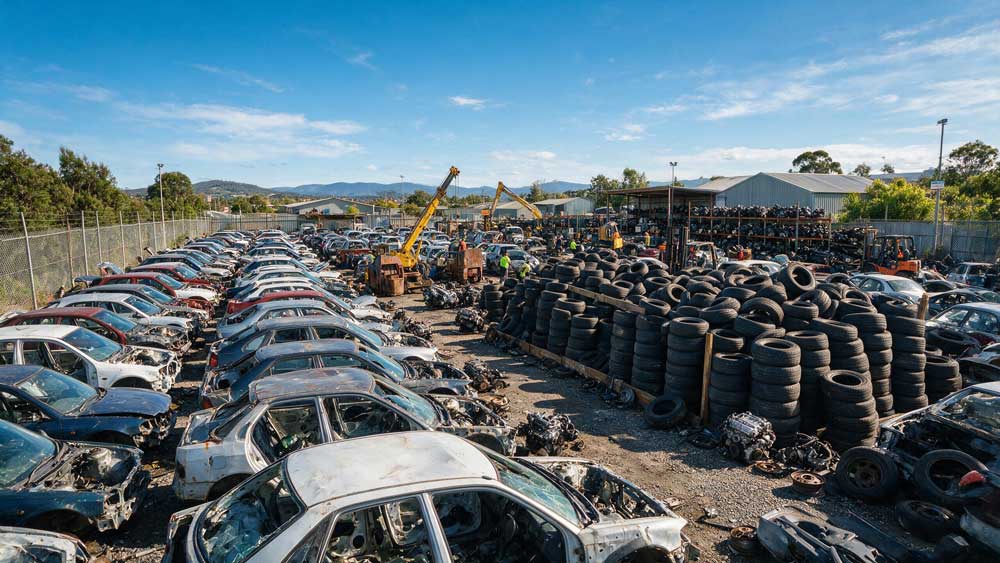
Every vehicle reaches the end of its life at some point. Whether it has been damaged in an accident, become too expensive to repair or simply stopped running, disposing of it responsibly is essential. Instead of leaving an unwanted car to rust away or sending it to landfill, recycling offers an environmentally responsible solution that benefits both vehicle owners and the wider Tasmanian community.
Car recycling is far more than crushing old vehicles. Modern automotive recycling focuses on recovering valuable materials, safely removing hazardous substances and giving reusable vehicle components a second life. This process reduces landfill waste, conserves natural resources and supports a more sustainable automotive industry.
For residents in Launceston, choosing responsible vehicle recycling also helps preserve Tasmania’s unique natural environment. From reducing pollution risks to lowering demand for newly mined raw materials, every recycled vehicle makes a positive contribution to a cleaner future.
Quick Facts About Car Recycling
Quick Fact | Why It Matters |
Most vehicles contain recyclable materials. | Reduces unnecessary landfill waste. |
Steel and aluminum can be recycled multiple times. | Conserves valuable natural resources. |
Automotive fluids are removed before dismantling. | Helps protect soil and waterways. |
Reusable vehicle parts extend product life. | Reduces manufacturing demand and waste. |
Why Responsible Car Recycling Matters
Many people assume an old or damaged vehicle has little value once it is no longer roadworthy. In reality, every vehicle contains materials that can often be recovered, recycled or reused through professional dismantling.
Responsible recycling helps reduce landfill waste by ensuring valuable resources remain in circulation rather than becoming rubbish. Metals such as steel, aluminum and copper can be processed into new products, reducing the need for mining and lowering the energy required to manufacture new materials.
Equally important is the safe handling of hazardous automotive substances. Engine oil, brake fluid, coolant, fuel and batteries can all pose environmental risks if they are left inside abandoned vehicles. Professional recycling facilities remove and manage these materials before dismantling begins, helping prevent contamination of local soil and waterways.
For Tasmania, where clean rivers, native wildlife and natural landscapes are highly valued, responsible car recycling plays a small but meaningful role in protecting the environment for future generations.
How the Car Recycling Process Works
Many vehicle owners wonder what actually happens after their unwanted car is collected. While recycling facilities may have slightly different procedures, the overall process generally follows four key stages.
1. Vehicle Collection
The process begins with collecting the unwanted vehicle from the owner’s property or another agreed location. This provides a convenient way to remove vehicles that are no longer safe or practical to drive.
Using a local recycler in Launceston also helps reduce unnecessary transportation while supporting businesses that understand local recycling requirements.
2. Safe Removal of Hazardous Materials
Before dismantling starts, potentially harmful materials are carefully removed.
These commonly include:
- Fuel
- Coolant
- Engine oil
- Brake fluid
- Transmission fluid
- Air-conditioning gases where applicable
Removing these materials first helps reduce environmental risks and ensures the recycling process begins safely.
3. Recovery of Reusable Vehicle Parts
Not every part reaches the end of its useful life at the same time. Many components remain in good condition and can be inspected for reuse.
Examples include:
- Doors
- Wheels
- Engines
- Gearboxes
- Alternators
- Interior components
- Starter motors
- Headlights
- Mirrors
Reusing quality parts helps reduce waste while providing motorists with more affordable replacement options.
4. Recycling Valuable Metals
After reusable components have been removed, the remaining vehicle shell is processed to recover valuable metals.
Steel forms the largest part of most vehicles and can be recycled repeatedly without losing strength or quality. Aluminum and copper are also separated and returned to manufacturing, reducing demand for newly extracted raw materials and lowering overall energy consumption.
How Car Recycling Helps Protect Tasmania's Environment
Tasmania is known for its beautiful forests, rivers and coastlines. Protecting these natural environments depends on responsible waste management across many industries, including automotive recycling. Choosing to recycle an end-of-life vehicle instead of abandoning it or sending it to landfill provides several environmental benefits:
- Reduces landfill waste by recovering reusable materials.
- Supports the circular economy by keeping useful materials in circulation.
- Helps prevent oil, coolant and fuel from contaminating soil or waterways.
- Conserves valuable natural resources by recycling steel, aluminum and copper.
- Reduces energy consumption compared with manufacturing metals from newly mined resources.
Although recycling one vehicle may seem like a small action, collectively it contributes to a more sustainable future for communities throughout Launceston and Tasmania.
How Car Recycling Helps Protect Tasmania's Environment
Tasmania is known for its beautiful forests, rivers and coastlines. Protecting these natural environments depends on responsible waste management across many industries, including automotive recycling. Choosing to recycle an end-of-life vehicle instead of abandoning it or sending it to landfill provides several environmental benefits:
- Reduces landfill waste by recovering reusable materials.
- Supports the circular economy by keeping useful materials in circulation.
- Helps prevent oil, coolant and fuel from contaminating soil or waterways.
- Conserves valuable natural resources by recycling steel, aluminum and copper.
- Reduces energy consumption compared with manufacturing metals from newly mined resources.
Although recycling one vehicle may seem like a small action, collectively it contributes to a more sustainable future for communities throughout Launceston and Tasmania.
Recycling vs Leaving an Old Vehicle Unused
Responsible Recycling | Leaving an Unused Vehicle |
Valuable materials are recovered. | Valuable resources are wasted. |
Hazardous fluids are safely removed. | Fluids may eventually leak into the environment. |
Reusable parts continue serving other vehicles. | Components deteriorate over time. |
Supports sustainable manufacturing. | Creates unnecessary environmental waste. |
What Vehicle Components Can Be Recycled?
One of the biggest misconceptions about end-of-life vehicles is that only the metal body can be recycled. In reality, modern vehicles contain a wide range of materials that can often be recovered, reused or processed through specialized recycling systems. Professional automotive recyclers carefully dismantle each vehicle to maximize resource recovery while minimizing waste.
Vehicle Component How It Is Recycled or Reused
Steel & Iron Recycled into new construction and manufacturing materials.
Aluminum Reprocessed into new automotive and industrial products.
Copper Recovered for electrical wiring and manufacturing.
Vehicle Batteries Processed by specialist battery recyclers to recover valuable materials.
Tires Recycled into products used in construction, landscaping and other industries where suitable.
Glass Processed for reuse where practical.
Plastics Recycled into selected plastic products depending on material quality.
Catalytic Converters Valuable metals may be recovered through specialized recycling processes.
Recovering these materials helps reduce pressure on landfill while supporting a more sustainable automotive industry.
Practical Tips Before Recycling Your Car
Preparing your vehicle before collection can make the recycling process smoother and ensure you don’t accidentally leave behind important belongings.
Before arranging collection, consider the following:
- Gather any available ownership documents.
- Remove electronic accessories you wish to keep.
- Remove all personal belongings from the cabin and boot.
- Check under seats, storage compartments and the glove box.
- Take photographs of the vehicle for your own records if desired.
- Cancel toll accounts or parking permits linked to the vehicle if applicable.
Spending a few extra minutes preparing your vehicle can save time later and help ensure a hassle-free experience.
Vehicle Recycling Checklist
Use this quick checklist before your vehicle is collected.
✔ Remove personal belongings.
✔ Check the glove box and boot.
✔ Remove valuables and electronic accessories.
✔ Gather available paperwork.
✔ Confirm the collection time.
✔ Keep your contact details available.
Completing these simple steps helps make the recycling process straightforward from start to finish.
Frequently Asked Questions
Can damaged or non-running vehicles be recycled?
Yes. Most damaged, unwanted or non-running vehicles still contain valuable recyclable materials and reusable components.
Why is vehicle recycling better than sending a car to landfill?
Recycling helps recover valuable resources, reduces landfill waste and supports more sustainable manufacturing by keeping useful materials in circulation.
Are automotive fluids recycled?
Professional recyclers remove engine oil, coolant, brake fluid and other liquids before dismantling begins. These materials are then managed using appropriate recycling or disposal methods where available.
Can old vehicle batteries be recycled?
Yes. Vehicle batteries are commonly processed through specialist recycling facilities that recover valuable materials while reducing environmental risks.
What happens to reusable vehicle parts?
Components that remain in good condition may be inspected, tested where appropriate and prepared for reuse, helping reduce waste while providing affordable replacement parts for other vehicles.
How does recycling help Tasmania's environment?
Responsible recycling reduces landfill waste, supports resource conservation and helps minimize the risk of harmful automotive substances entering local soil and waterways.
Conclusion
Car recycling is an important part of responsible environmental management. Instead of allowing unwanted vehicles to become waste, professional recycling helps recover valuable materials, safely manage hazardous substances and reduce the demand for newly extracted natural resources.
For communities throughout Launceston, choosing responsible vehicle recycling contributes to cleaner neighborhoods, more efficient resource use and the protection of Tasmania’s unique natural environment. While a single recycled vehicle may seem like a small contribution, every responsibly recycled car helps move Australia towards a more sustainable future.
If you have an old, damaged or unwanted vehicle that has reached the end of its useful life, recycling it is a practical decision that benefits both you and the environment.
Need to recycle an unwanted vehicle in Launceston? Wreckers Launceston offers environmentally responsible vehicle recycling services throughout the local area. To learn more or discuss your vehicle, contact the team on 0438196492 or email tassie.ar@gmail.com.